
Rapid water extraction
We remove standing water quickly with professional extraction equipment so drying can begin before materials wick moisture further.
Serving Edmond, Oklahoma & surrounding areas
24/7 Emergency Response
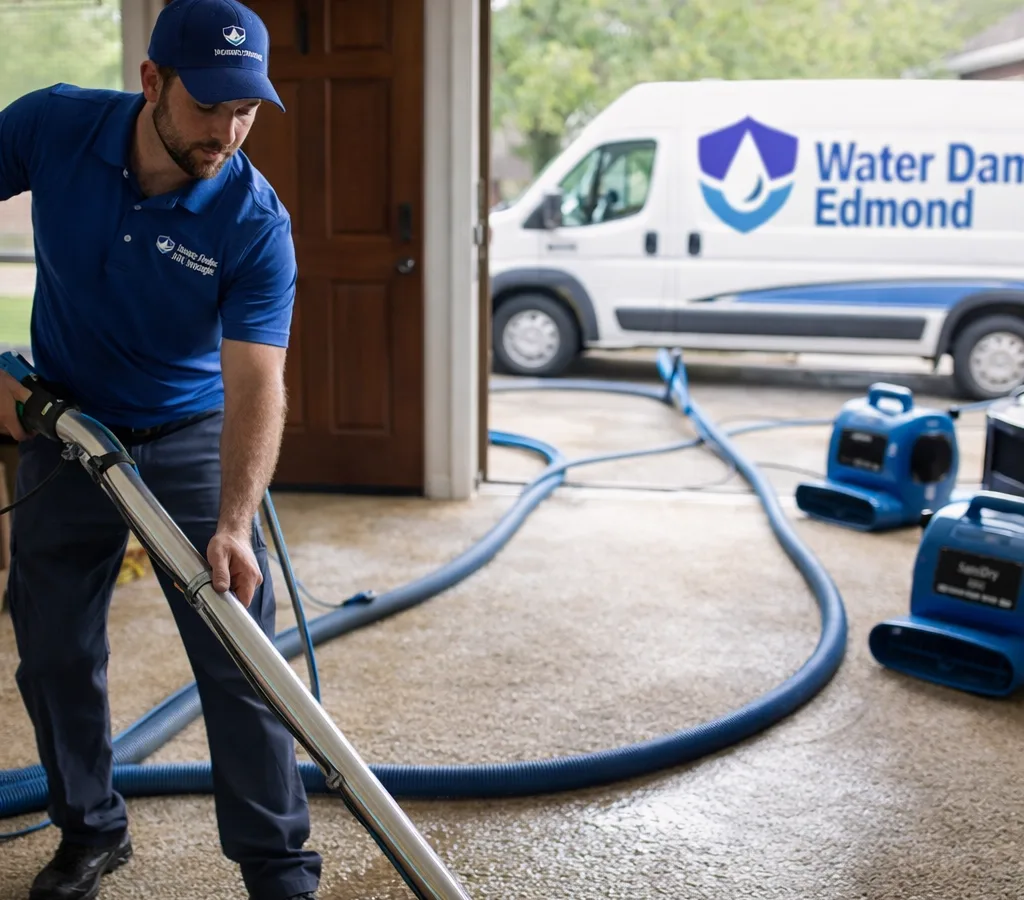
Flood damage restoration · Edmond, Oklahoma
Fast water removal, careful drying, and complete cleanup to limit damage, prevent mold, and get your property back to normal as soon as possible.
Immediate damage control
If you are searching for flood damage restoration Edmond OK, you usually need help fast and you need it done in the right order. Standing water moves through flooring, baseboards, and wall cavities, then humidity spreads into nearby rooms. The longer materials stay wet, the more likely you are to see swelling, staining, odors, and microbial growth.
Water Damage Edmond handles flood damage restoration for homes and small commercial spaces in Edmond, OK (73003). We focus on rapid water extraction, controlled demolition only when needed, professional drying, and detailed documentation so you know what happened and what it will take to restore the space.
In Edmond, sudden heavy rain, clogged drains, and plumbing failures can push water into garages, first floors, and finished basements when present. Even when the visible water looks minor, moisture can stay trapped under pad and carpet, in engineered wood seams, and behind drywall. Our approach is built around finding hidden moisture early, then drying and cleaning with the same standards used across the restoration industry.
For an overview of our broader services and service area, you can also reference Water Damage Edmond.
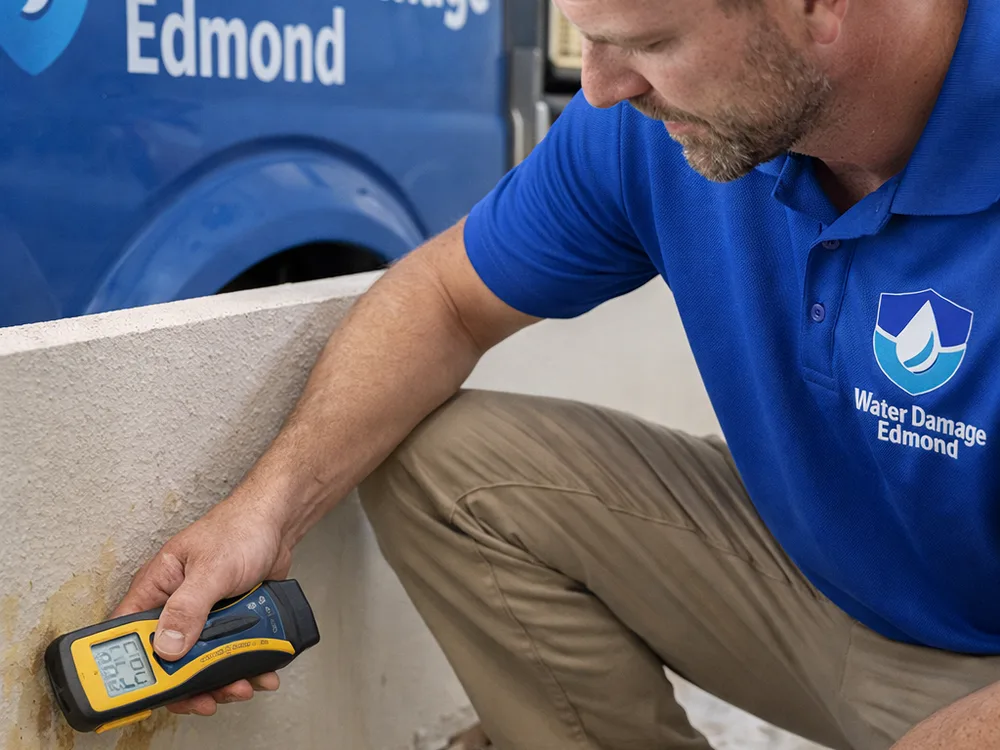
Complete flood response
We remove standing water quickly with professional extraction equipment so drying can begin before materials wick moisture further.
Air movers and dehumidifiers are set to control humidity and dry structural materials, not just the surface you can see.
We track moisture in affected materials and surrounding areas to confirm progress and reduce the risk of leaving wet pockets behind.
Floodwater often brings silt, bacteria, and odors. We clean, sanitize, and remove unsalvageable materials when required.
You receive a written plan for what is being removed, dried, cleaned, and rebuilt, with photos and notes as needed.
From a flooded laundry room to a soaked office suite, we plan drying around your space so disruption is minimized.
Clear cost factors
Flood damage restoration in Edmond typically ranges from about $1,500 to $8,500+, depending on how much area got wet and how far water traveled into walls and floors. A small, contained room with clean water and minimal demolition is often $1,500 to $3,500, while multi-room losses that need drywall and flooring removal, extended drying, and deep cleaning can run $4,000 to $8,500+.
Final pricing changes with water category, affected materials such as carpet, pad, hardwood, and drywall, equipment days, access, and whether contents need cleaning or pack-out. The exact cost is confirmed after an on-site inspection with moisture readings and a written scope.
From standing water to verified dry
01
We start by confirming the water is stopped and the area is safe to enter. If power should be shut off or materials are unstable, we explain the immediate precautions.
02
We inspect floors, baseboards, drywall, and adjacent rooms. Moisture meters and thermal imaging, when helpful, guide where drying must reach, not just where water is visible.
03
Standing water is extracted, then we remove debris and silt. If carpet or pad is saturated, we will discuss salvageability versus removal right away.
04
When drywall, insulation, or flooring cannot be dried safely or would trap moisture, we remove only what is necessary so the structure can dry properly.
05
We place air movers and dehumidifiers based on the room layout and measured moisture levels. We monitor progress and adjust equipment placement as drying goals are met.
06
After drying, we clean and sanitize affected surfaces and address odor sources. You receive a clear plan for the repair phase so you can restore the space with fewer delays.
If water is still present or materials are saturated, getting extraction and drying started quickly is the simplest way to reduce how much needs to be removed and rebuilt.
Call Now · (877) 412-6524Homeowner and business experiences
“A storm pushed water into our garage and laundry area and it started creeping toward the hallway. They got the water out, set drying equipment, and explained what had to be pulled up and what could be saved.”
“We had wet carpet and damp drywall after a supply line leak. The team checked moisture in the walls instead of guessing, and the daily updates made it easy to understand the timeline.”
“Our office suite had standing water over a weekend. They handled cleanup and drying with minimal disruption, and the documentation helped us keep everything organized.”
Homeowner questions
Restoration should start as soon as the water source is stopped and the area is safe, ideally the same day. In Edmond's humid periods, wet carpet, pad, and drywall can hold moisture and raise indoor humidity quickly, which increases the chance of odor and microbial growth.
Floodwater is often treated as contaminated because it can carry soil, bacteria, and chemicals, while a clean supply line leak may start as potable. The category of water affects what materials can be safely salvaged and what level of cleaning and sanitizing is required.
Sometimes carpet can be saved, but pad is frequently removed if it is saturated or if the water is contaminated. The decision depends on water category, how long it sat, and whether moisture readings show the subfloor and tack strip can be dried without trapping moisture.
Drywall removal depends on how high water wicked and whether insulation or the wall cavity is wet. If moisture is present behind the wall, removing a controlled cut of drywall often speeds drying and reduces the chance of hidden damp spots remaining.
Most drying takes about 3 to 5 days, but it can be longer for dense materials, multi-room losses, or when water reached wall cavities and insulation. We verify progress with moisture checks rather than relying on a set number of days.
Stop the water if possible, keep people out of unsafe areas, and avoid running HVAC if it could spread humidity or contaminants. If it is safe, move small valuables and electronics off the floor, and take photos of affected rooms for documentation before items are disturbed.
Yes, we can provide documentation, photos, and a clear scope that helps support an insurance claim. Coverage depends on your policy and the source of the water, so it is smart to start with a documented inspection and then coordinate next steps.
Start with a measured assessment
Tell us what happened and which areas are wet. We will schedule an on-site inspection, map moisture, and give you a written plan for extraction, drying, cleanup, and the next steps to restore the space.