
Targeted sampling plan
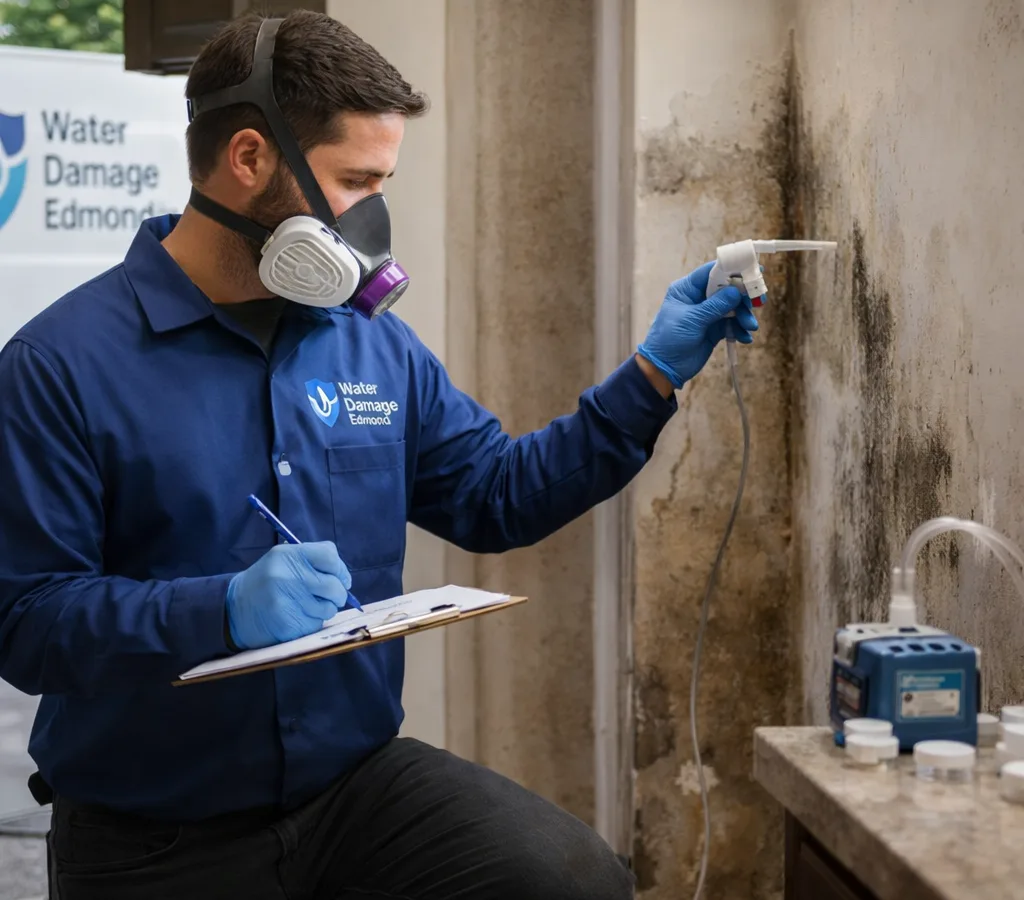
We choose air, surface, or dust sampling based on what you are seeing and smelling, plus how the space is used.
Serving Edmond, Oklahoma & surrounding areas
24/7 Emergency Response
Mold testing · Edmond, Oklahoma
Get clear, lab-based results with on-site sampling and a written report you can use to decide what happens next.
When testing provides clarity
If you are searching for mold testing Edmond OK, you usually have one goal: confirm whether mold is present and understand what it means for the building and the people in it. A useful inspection does more than point at discoloration. It documents conditions that support growth—moisture, ventilation, and building materials—collects the right samples, and ties everything together in a written report.
Mold testing is a good fit when:
In Edmond, humidity swings and heavy rain can push water into wall cavities and attic spaces where it stays hidden. Homes with finished basements, tight crawlspaces, or complex rooflines often need a more methodical approach because the affected area is not always in the same room as the odor.
Your final deliverable should be a plain-English summary plus sample locations, photos, and lab results. If mold is confirmed, the report should include next-step recommendations that focus on fixing the moisture source first, then addressing contaminated materials safely. If you are also dealing with active water intrusion or wet building materials, start with water damage restoration in Edmond so conditions are stabilized before any meaningful testing or clearance decisions are made.
Inspection and reporting
We choose air, surface, or dust sampling based on what you are seeing and smelling, plus how the space is used.
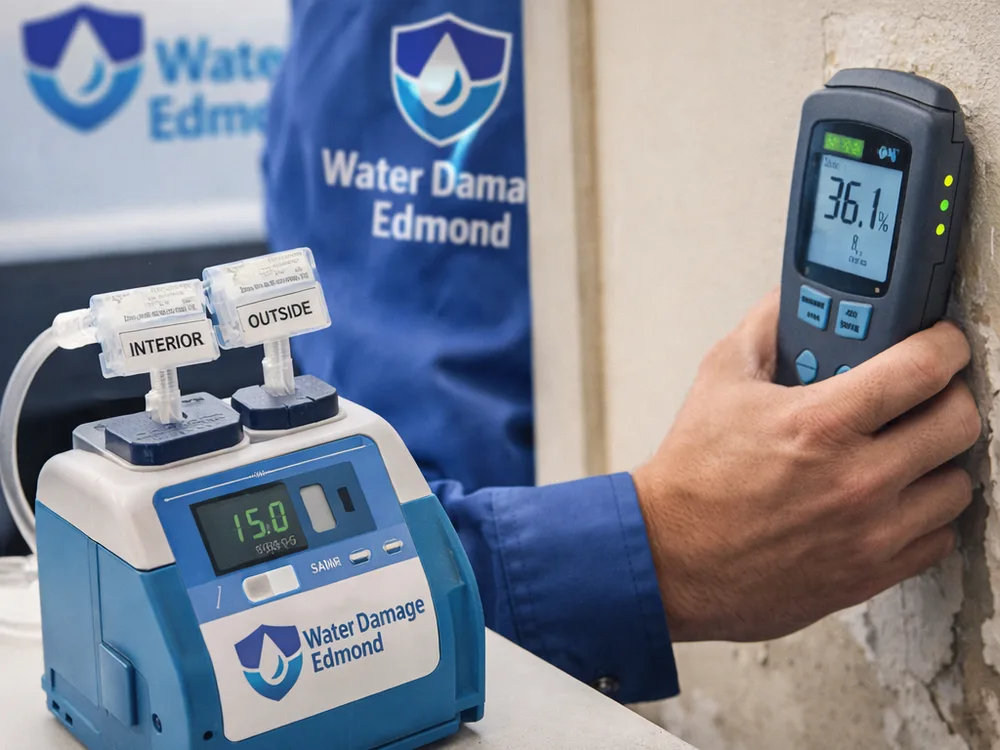
Moisture meters help confirm whether drywall, trim, or framing may still be supporting growth behind the surface.
Samples are sent to a qualified laboratory for identification and counts so your decisions are based on measured results.
You get documentation of locations, photos, and findings, plus practical next steps for remediation and prevention.
We explain what the results mean for the building, what is urgent, and what can be planned without guessing.
Clear cost factors
Mold testing in Edmond typically ranges from about $250 to $750, depending on the number of samples and how much of the home needs to be evaluated. A simple visit with 1 to 2 samples is often at the low end, while larger homes, multiple rooms, or add-on sampling such as surface or dust samples trends higher.
Final price depends on sample count, access to attics and crawlspaces, whether moisture mapping is needed, and how quickly results are required. The exact cost is confirmed during the on-site inspection after we map the areas that need sampling.
From inspection to recommendations
01
We start with where you have seen staining, odors, or past leaks and how the space is used, including sleeping areas, HVAC zones, and storage rooms.
02
We check likely problem materials and building transitions around windows, exterior walls, bathrooms, and supply registers to guide sampling locations.
03
Depending on conditions, we collect indoor air samples, outdoor control samples when appropriate, and surface or dust samples for confirmation.
04
Samples go to the lab for identification and quantification, then we interpret the results in the context of the building conditions we observed.
05
You receive a report with findings, photos, sample locations, and recommendations for remediation scope, containment considerations, and prevention.
If you are dealing with a musty smell, visible growth, or a past leak, schedule an on-site mold inspection so you can make decisions with lab results and a written plan.
Call Now · (877) 412-6524Homeowner experiences
“We had a musty odor that kept coming back after storms. The inspection pinpointed where to sample and the report explained the results in plain language. It helped us decide what needed to be removed and what just needed drying and repairs.”
“I needed documentation before closing on a house. The sampling was quick, and the written report was detailed enough for my agent and the contractor to agree on next steps.”
“They were upfront about what testing can and cannot prove. The moisture checks and photos made it clear why the area kept getting worse.”
Homeowner questions
Most lab results are available within a few business days, and your written report follows as soon as results are received and reviewed. Turnaround depends on the lab and the number of samples collected, so if you have a real estate deadline, tell us up front so we can plan the sampling and reporting timeline around it.
It depends on what you are trying to confirm: air samples help evaluate what may be in the breathing zone, while surface samples help confirm what is growing on a specific material. If you have visible suspect growth, a surface sample often answers the identification question quickly, and air sampling is most useful when there is an odor, symptoms, or a concern that the issue extends beyond what you can see.
Leave the home in normal living conditions unless we advise otherwise, because testing should reflect typical occupancy. If you recently changed filters, ran unusual air cleaning equipment, or kept windows open for long periods, mention it at the visit because it can affect indoor air sample conditions and interpretation.
Yes, we can test a single room, but the sampling plan still needs context from adjacent areas and HVAC airflow. In many Edmond homes, air moves between rooms through returns and door undercuts, so we often recommend at least one comparison sample to avoid drawing conclusions from one data point.
Testing can still be worth it when you need documentation for a landlord, a buyer or seller, or you want to confirm the type and extent before materials are disturbed. If the growth is obvious and the moisture source is active, the first priority is stopping the water and drying materials, then testing can be used to guide scope or verify conditions after cleanup.
Results can be hard to interpret when sampling locations are chosen without a moisture and airflow assessment, when there is no outdoor control sample when appropriate, or when recent cleaning, painting, or heavy ventilation changed the indoor air temporarily. Good reporting ties the lab results to building conditions like humidity, visible staining, and moisture readings so the conclusions match what is happening on site.
Yes, post-remediation verification can be performed to document conditions after cleanup, using a sampling plan appropriate to the remediated area and the work performed. Clearance is most meaningful when containment has been removed, the area is dry, and the work area has been cleaned to remove residual dust that can affect results.
Plan with measured results
Tell us what you are noticing, where it is happening, and whether there was a past leak. We will recommend the right sampling approach and deliver a written report you can use to plan repairs or remediation.