
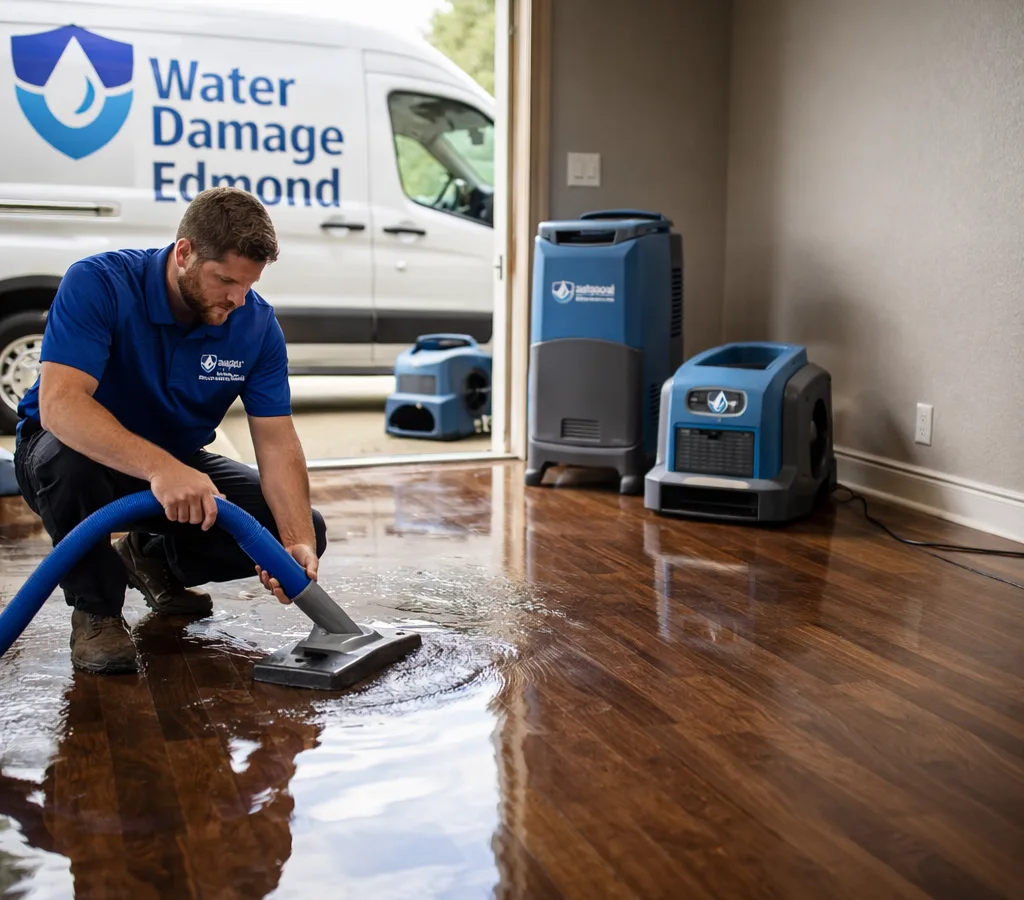
Rapid water removal and drying setup
Extraction, controlled demolition when needed, then air movers and dehumidifiers placed for effective airflow through affected rooms.
Serving Edmond, Oklahoma & surrounding areas
24/7 Emergency Response
Water damage restoration · Edmond, Oklahoma
Flood, leak, or storm damage can turn into mold and structural issues fast. Get a clear plan, professional drying, and documented results so your property can be safely restored.
Immediate damage control
If you are searching for water damage restoration Edmond OK, you likely need two things right away: the water stopped and a drying plan that prevents secondary damage. Water that sits in carpet, drywall, or subflooring can wick farther than it looks, and humidity can stay trapped behind baseboards and cabinets.
Water Damage Edmond handles the full restoration workflow for residential and light commercial properties in Edmond, OK (ZIP 73003). We start by identifying where the water traveled, then we remove unsalvageable wet materials, extract water, and set professional drying equipment. We track progress with moisture readings so the structure dries to a safe level before repairs move forward.
Common situations we help with include:
You will get straightforward communication, a written scope, and photo documentation that helps when an insurance claim is involved. For a quick overview of the company and service area, Water Damage Edmond OK is a helpful starting point.
Restoration standards
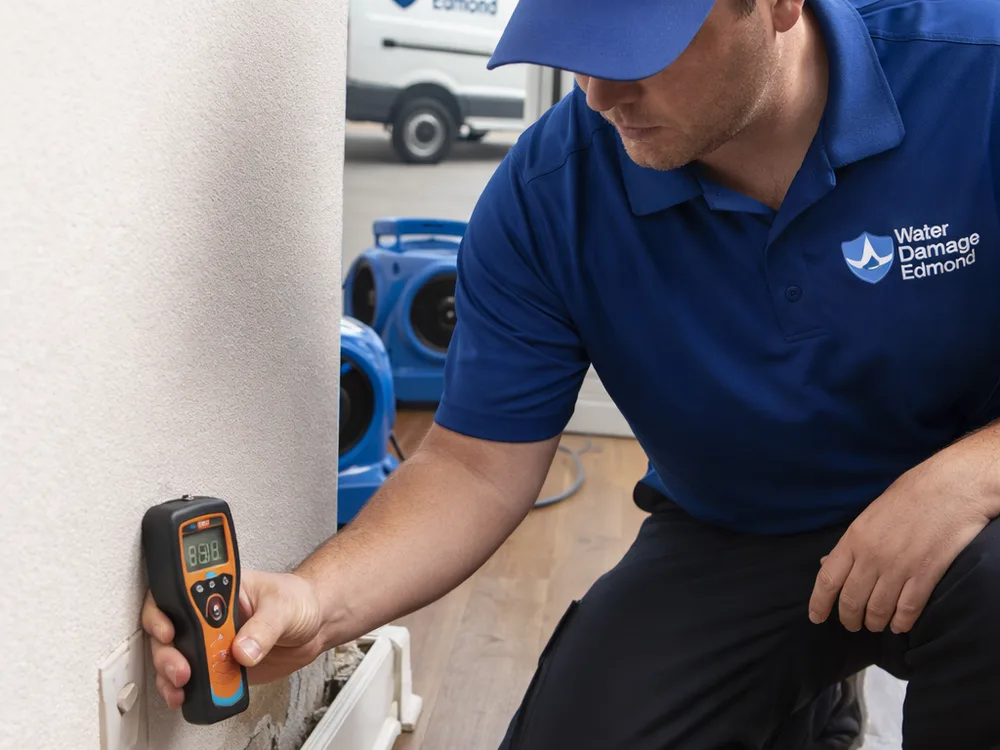
Extraction, controlled demolition when needed, then air movers and dehumidifiers placed for effective airflow through affected rooms.
We check walls, floors, and framing with professional meters and document drying progress so work does not move forward too early.
Fast drying is the main defense. When conditions call for it, we also clean and apply appropriate antimicrobial products to affected materials.
We protect surfaces, isolate affected areas when needed, and handle debris removal so the rest of the property stays usable.
Photos, notes, and a written plan help align everyone on what was affected, what was removed, and what it takes to restore the space.
Clear cost factors
Water damage restoration in Edmond typically ranges from about $1,200 to $7,500, depending on how far the water spread and what materials are affected. A small, clean water leak with limited drying might run $1,200 to $2,500, while multi-room drying with drywall removal often lands around $3,000 to $7,500+. Sewage cleanup or significant structural drying can exceed $10,000.
Final pricing changes with category of water (clean vs contaminated), square footage, how long the water sat, required demolition, equipment days, and access to wet cavities. The exact cost is confirmed after an on-site inspection and moisture mapping.
From wet to verified dry
01
We help you prioritize shutting off the water and addressing immediate electrical or slip hazards. If the source is ongoing, drying efforts will not hold.
02
We identify affected materials and classify the water (Category 1, 2, or 3). This determines what can be cleaned, what must be removed, and what safety controls are required.
03
Standing water is removed first. If drywall, insulation, flooring, or cabinetry cannot be dried safely, we remove only what is necessary to access and dry the structure.
04
Air movers, dehumidifiers, and targeted airflow are set based on the layout and moisture readings. We monitor and adjust equipment over the drying period.
05
After dry down, we clean affected surfaces and apply appropriate products when conditions warrant it, especially for Category 2 or 3 losses.
06
We provide drying documentation and a clear scope for any rebuild work so you can move forward confidently, whether you are self-paying or working with insurance.
If water just entered your home or business, the best next step is a same-day inspection and a drying plan based on real moisture readings, not guesses.
Call Now · (877) 412-6524Homeowner experiences
“A supply line under our sink leaked while we were out. They found moisture behind the toe kick, removed only what was needed, and kept checking readings until it was truly dry. The documentation made the insurance side much easier.”
“After a storm we had water along an exterior wall and wet carpet in two rooms. The crew explained what was happening, set up drying equipment fast, and the house never got that musty smell.”
“They were clear about what could be saved and what could not, especially around baseboards and drywall. Clean work area, good communication, and no shortcuts on drying.”
Homeowner questions
Start the same day whenever possible because moisture spreads and humidity rises quickly inside walls and floors. Even after visible water is gone, wet drywall, insulation, and subflooring can keep releasing moisture into the air, which increases the chance of mold growth and material warping.
Stop the water source if it is safe, shut off power to affected areas if outlets or fixtures were wet, and move valuables and electronics to a dry space. If you can do it safely, blot or extract surface water and increase airflow, but avoid running HVAC if you suspect contaminated water or if water entered ductwork.
We use moisture mapping with professional meters and inspection of likely pathways such as baseboards, drywall seams, flooring transitions, and cabinet bases. Water often travels under flooring and into wall cavities, so the wettest spot is not always where the leak began.
Sometimes, yes. If drywall is swollen, insulation is saturated, or water is trapped in a wall cavity, controlled removal is often the safest way to dry the structure fully. The goal is to remove only what is necessary to access wet areas and prevent long-term issues.
Most drying jobs take about 3 to 5 days, but the timeline depends on materials, how long the water sat, and the amount of airflow that can be set up. Hardwood, plaster, and dense assemblies can take longer, and we confirm progress with moisture readings rather than the calendar.
Yes. We document affected areas, drying equipment, and moisture readings with notes and photos so the claim has a clear record of what happened and what work was required. Coverage decisions are made by the carrier, but good documentation reduces back and forth.
Yes. Category 3 water requires additional safety controls, removal of porous materials that cannot be sanitized, and thorough cleaning and disinfection. If the loss involves sewage, we will explain what must be removed versus what can be cleaned safely.
Yes. Water Damage Edmond is based in Edmond, Oklahoma and focuses on local response in and around Edmond. If you meant Redmond in another state, you will want a local restoration company in that area for faster response and on-site inspection.
Start with a measured assessment
Tell us what happened, when it started, and which rooms are affected. We will inspect, map moisture, and give you a written scope that protects your property and supports next steps with insurance if you choose to file a claim.