
Clear plan and written scope
We document affected rooms, materials, and contents, then lay out what gets cleaned, removed, dried, and rebuilt so decisions are straightforward.
Serving Edmond, Oklahoma & surrounding areas
24/7 Emergency Response
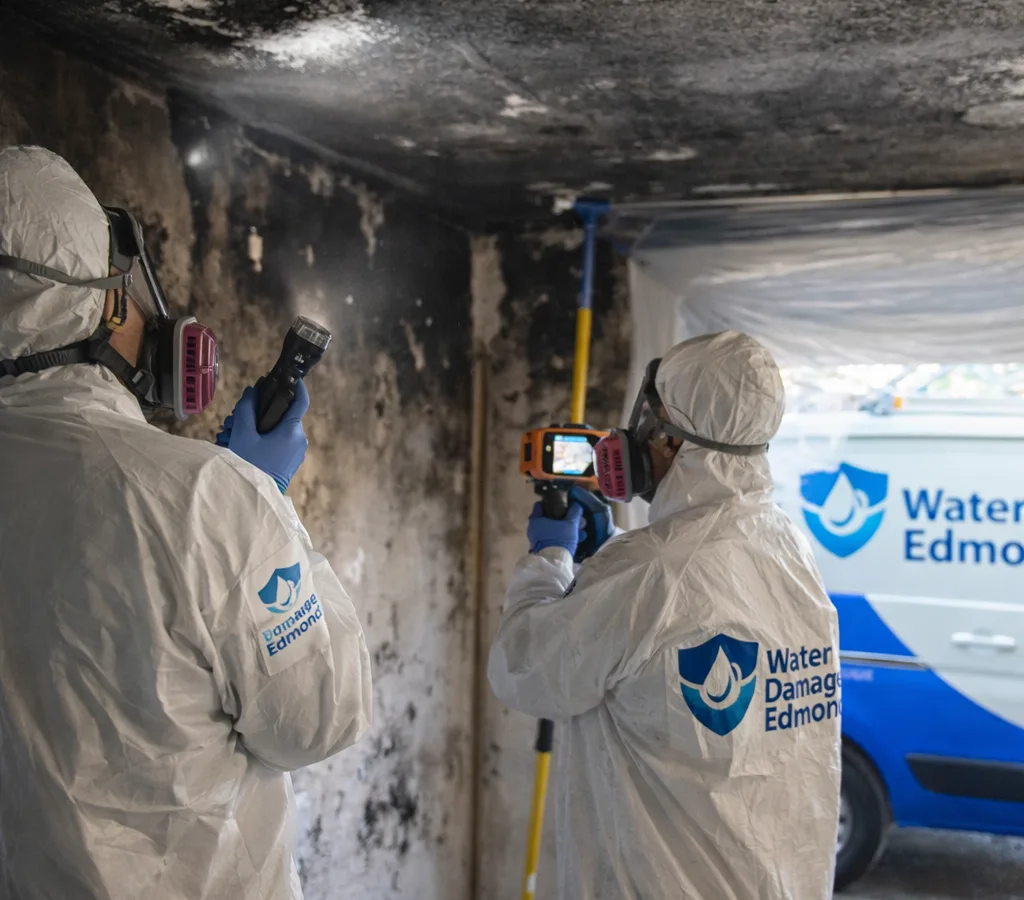
Fire damage restoration · Edmond, Oklahoma
Smoke, soot, and water from firefighting can spread fast. Get a clear scope, careful cleanup, and repairs that make the space safe to use again.
Complete property recovery
Fire damage is more than what burned. Smoke can move through the HVAC system and wall cavities, soot can etch hard surfaces, and water used to put the fire out can soak insulation, flooring, and framing. Fire damage restoration in Edmond typically includes stabilization and debris removal, smoke and soot cleaning, odor control, selective demolition, drying and dehumidification, and repairs or rebuild.
The goal is to make the property safe, clean, and ready for normal use again. That means addressing hidden contamination and moisture, not just what you can see in the room where the fire started. Your project starts with an inspection that documents damage, flags safety issues, and outlines what can be cleaned versus what needs to be removed.
If you are already working with our team on other loss-related repairs, you can also get a broader overview of what we do at Water Damage Edmond OK.
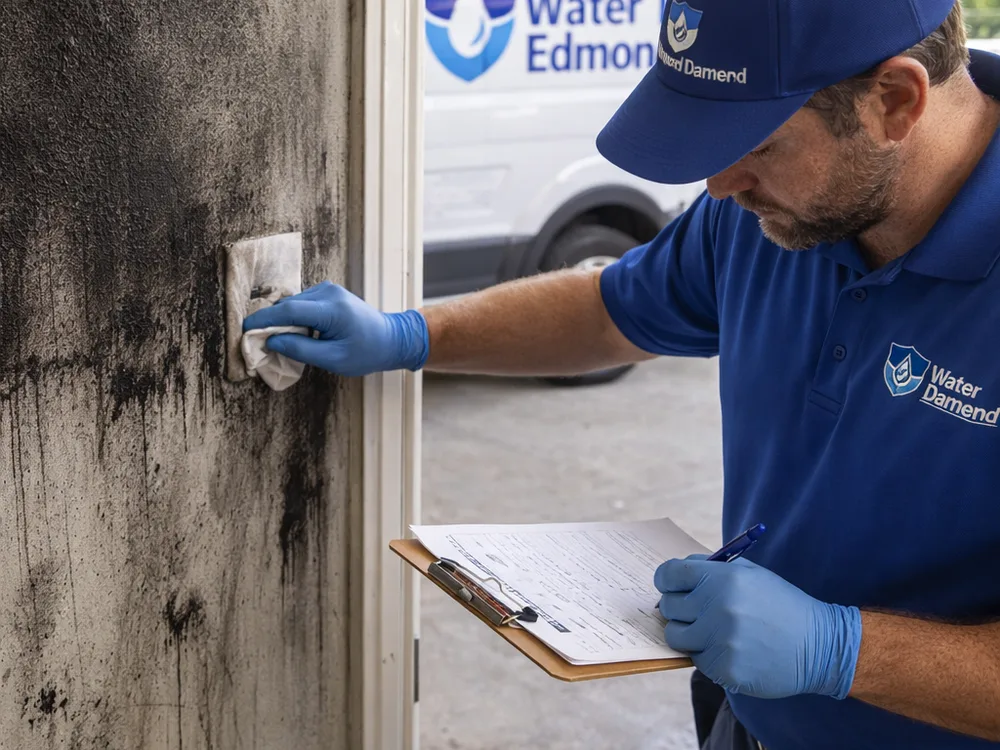
Controlled restoration
We document affected rooms, materials, and contents, then lay out what gets cleaned, removed, dried, and rebuilt so decisions are straightforward.
Dry chemical sponges, HEPA vacuuming, wet cleaning, and specialty methods are chosen based on whether the surface is porous, painted, finished, or raw.
Deodorization works best after soot removal. We combine filtration and proven treatments to reduce lingering smoke odor in the structure.
We use plastic containment and negative air when needed to limit soot migration and keep cleanup controlled while work is underway.
Moisture checks, air movers, and dehumidification help prevent secondary damage after suppression efforts, especially in carpet, pad, and wall cavities.
After cleaning and drying, we can move into material replacement and finish repairs so the property looks and functions right again.
Clear cost factors
Fire damage restoration in Edmond typically ranges from about $3,000 to $25,000+, depending on how many rooms are affected and how much material must be removed and rebuilt. A small, contained smoke cleanup may fall around $3,000 to $8,000, while larger losses with demolition, drying, and reconstruction often land above $15,000.
Final pricing changes with soot level (light, moderate, heavy), the number of surfaces and contents to clean, HVAC involvement, odor treatment needs, access, and whether there is water damage from suppression. The exact cost is confirmed after an on-site inspection and a written scope of work.
From assessment to reconstruction
01
We identify immediate hazards (unstable materials, electrical concerns, contaminated debris), document affected areas, and prioritize what must happen first to protect the structure.
02
If needed, we isolate work areas with containment, set up HEPA air filtration, and plan traffic paths to reduce soot transfer to clean rooms.
03
Non-salvageable drywall, insulation, flooring, and contents are removed when required, and we stage the space for detailed cleaning and drying.
04
We clean ceilings, walls, framing, fixtures, and other surfaces with the right method for the substrate. HEPA vacuuming and detailed wipe-downs are common steps.
05
We measure moisture in materials, then use dehumidifiers and airflow to dry what can be saved and reduce the risk of odor and microbial growth.
06
After cleaning, we address odor sources and perform final cleaning passes. If sealants or specialty coatings are needed, we explain where and why.
07
We replace removed materials and complete finish repairs. The goal is a safe, clean, functional space that matches the pre-loss condition as closely as practical.
If your Edmond property has smoke or fire damage, get an inspection and a written scope before any cleanup starts so the work is done in the right order.
Call Now · (877) 412-6524Homeowner experiences
“After a small electrical fire, the smoke smell was everywhere. They explained what could be cleaned, what had to be removed, and the house stopped smelling like smoke once the cleaning and deodorizing were finished.”
“What helped most was the documentation. The scope was clear, the affected rooms were contained during cleanup, and the repairs were coordinated without us having to chase different crews.”
“We had both soot on surfaces and water from putting the fire out. They dried the wet areas first, then handled soot cleanup, and the timeline stayed predictable once demolition was done.”
Homeowner questions
Cleanup should start as soon as the property is released for access and it is safe to enter, because soot residues can stain and odors can set into porous materials over time. Early steps usually include securing the site, removing loose debris, and starting controlled cleaning and drying if water was used to extinguish the fire.
In many cases, smoke odor can be reduced to the point it is no longer noticeable, but results depend on how long smoke affected the building, what materials absorbed it, and whether soot was fully removed first. The most reliable path is source removal, followed by targeted deodorization, and sometimes sealing of specific surfaces when odor has penetrated deeply.
Smoke damage is the broader contamination and odor that can travel through a property, while soot damage is the physical residue left behind that can smear, stain, and corrode surfaces. Cleaning soot incorrectly can spread it, so the cleaning method needs to match the surface and the type of residue.
Yes, fire losses often include water saturation in floors, drywall, and insulation from suppression. Drying and dehumidification are commonly built into fire restoration so you do not get secondary problems like swelling materials or persistent odor. If the water loss is extensive, some clients also request a separate scope for water damage restoration.
It depends on the extent of damage, the presence of soot, and whether containment can keep living areas separated. If multiple rooms are affected, if there is heavy smoke residue, or if HVAC systems were impacted, temporary relocation is often the safer choice until cleaning and air quality controls are in place.
Non-porous and semi-porous items like hard furniture, many electronics exteriors, and some finished surfaces can often be cleaned, while porous items like upholstered furniture, mattresses, and certain papers may be harder to restore. We review contents by category and condition, then recommend cleaning, specialty restoration, or disposal based on what is realistic.
A small smoke cleanup might take a few days, while larger projects with demolition, drying, and rebuild can take multiple weeks. Timeline is driven by the number of affected rooms, how much material must be removed, whether the structure is wet, and the scope of reconstruction needed after cleaning.
Wait for clearance before entering, avoid wiping soot since it can smear into finishes, and limit HVAC use if you suspect smoke traveled through vents. If safe, you can open windows for ventilation and take photos for documentation. During the inspection, we will confirm next steps, including what to remove immediately and what should stay in place until cleaning begins.
Start with a clear scope
Tell us what happened and what areas were affected. We will inspect the property, explain what can be restored, and provide a clear scope and estimate so you can move forward with cleanup and repairs.